Idlers at the Post Office corner in Norwich Quay, Lyttelton, have in many years polished an area on a big telegraph post, and a band along the post office wall, by the constant rubbing of tired shoulders, and countless men have spat upon the footpath thereabouts.
Yesterday several men who were causing an obstruction at the corner were "moved on" by a constable, but as soon as he had passed four of them resumed their posts on the path. Three of them found the consequences this morning in the Lyttelton Police Court.
Sergeant Ryan stated that many complaints were made of the way in which idlers blocked the footpath at that corner, and also at the one opposite, and that great annoyance was caused to people, especially ladies, using the path for its legitimate purpose. In this case he did not press for a penalty, being desirous only of impressing those in the habit of lounging in the vicinity with the fact that the by-law should be observed.
Mr George Christopher Smith, J.P., was on the Bench, and the three men, Carl Davidson, Peter Peterson and Otto Neilson, having pleaded guilty, he fined each of them five shillings and costs.
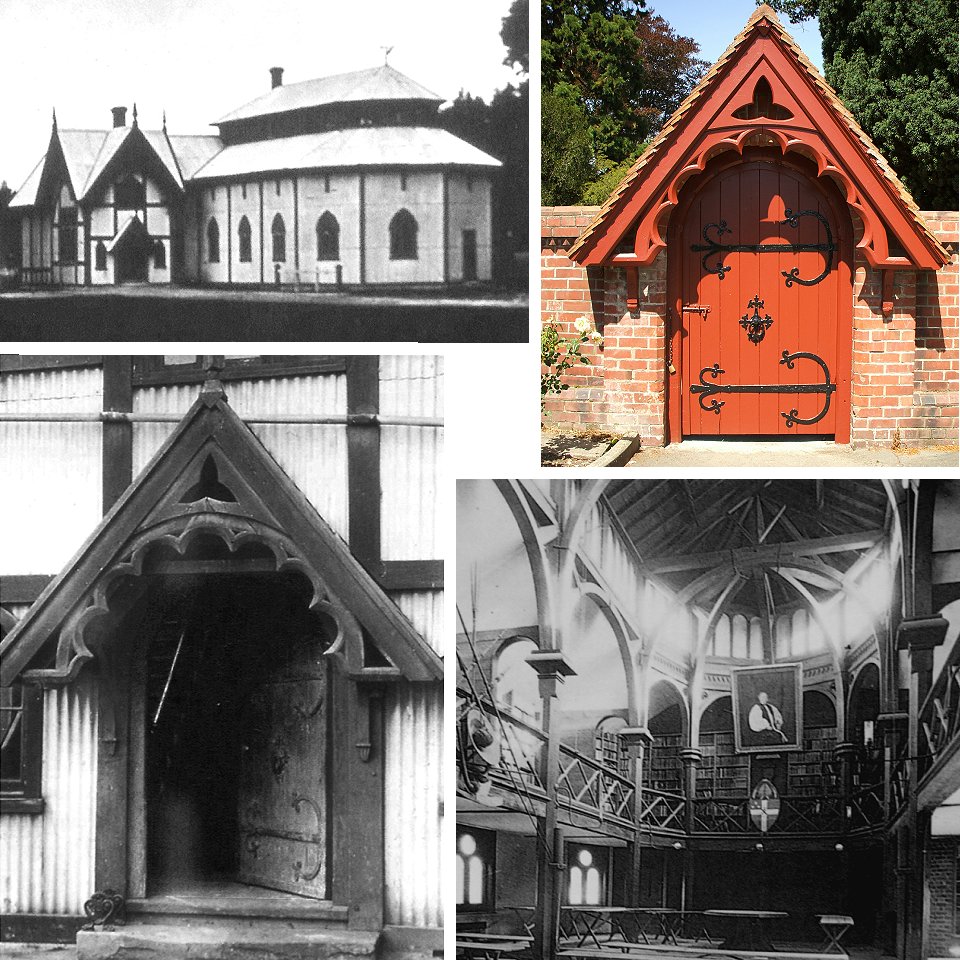
Mr William Wilcox Tanner, president of the Linwood Citizens' Association, welcomed the Mayor of Christchurch, Mr Charles Allison, and thanked the Council for its assistance in establishing the library. He assured the Mayor that the institution would, grow, and that it would prove in the future of very great value to the residents of the eastern portion of Christchurch. The Mayor said that he heartily sympathised with any movement for the foundation of a library, and he must congratulate the Linwood people upon having at last obtained one. The success of the library would, to a great extent, depend upon the wisdom exercised in the selection of the books placed upon the shelves. Care must be taken that none of that numerous class of modern novels which were pernicious in their tendency were allowed a place upon the shelves.
Linwood was not making the use of its recreation ground which it could and should do, and he hoped that in regard to the library, the residents would see that it was to their best interests to make use of the opportunities which were now placed in their way. He declared the library open, and wished it a successful and useful career. (Applause).
Mr George Watts Russell, M.P., congratulated the people of Linwood upon the progressive step they had taken, and said that though the library was at present but a small one, he believed it was based on good, solid, progressive lines. In two years, he believed, it would have greatly increased its size, and justified its existence.
The City Council had voluntarily handed over the building for the library, from which it had been receiving revenue, and it had given a subsidy. That subsidy, he believed, would be made an annual one, in the same way as the subsidy given by the Council to the Sydenham Library. In regard to the Christchurch Library he was sorry to say that they could get no subsidy from the Council. The Mayor was as hard as a rock on that subject. He desired to thank Councillors Thomas N. Horsley and Henry John Otley, representing the Linwood Ward on the City Council, for their services in advancing the cause of the library, and also Mr W. W. Tanner, who had devoted a great deal of time to preparing documents and doing other secretarial work which, required the experience of a man of public affairs. The district was under a debt of gratitude to Mr Tanner in this matter. In conclusion. Mr Russell said he would be pleased to give the newly-opened library any assistance, in his capacity as chairman of the Board of Governors of Canterbury College, or as a member of Parliament. (Applause).
There was a very large attendance of residents at the opening ceremony, at the conclusion of which afternoon tea was dispensed by the ladies of the district.

A joint meeting of the Board of Governors of Canterbury College and the committee recently set up by a meeting of old colonists was held at Canterbury College yesterday afternoon in connection with the decision of the Board of Governors to establish a section at the Canterbury Museum for the collection of mementoes (sic) and records of the colonisation of Canterbury. Mr William Guise Brittan was voted to the chair pending the arrival of Mr G. W. Russell. M.P., chairman of the Board.
Mr Robert Speight, assistant curator at the museum, who was requested to report on the space available, said that it was intended to reserve a part of the statuary room for the collection, which would include documents, maps, portraits and pictures of the early days. Mr Brittan said he understood that considerable space would be required. Mr John C. Andersen said that even the official records would require a larger room than the Board room, and there would also be files of newspapers, maps and so on.
Mr Henry George Ell, M.P., said that the first thing was to collect, and the question of space would be one for the Board. It was sufficient at present that there should be a safe resting-place for documents as they were collected. Mr John D. Hall said that it would be important to frame conditions, to be attached to all documents, books or pictures handed over, to ensure their safety and preservation.
A. sub-committee consisting of Messrs G. W. Russell, M.P., H. G. Ell, M.P., J. D. Hall, A. C. Rolleston, Rockwood Charles Bishop and W. G. Brittan was appointed to draft conditions and to prepare a general appeal to the public for records of the history of Canterbury, and particularly early Canterbury. Mr G. W. Russell suggested that Mr Speight should .be secretary to the joint committees, and should take charge of the work on behalf of the board of Governors. The suggestion was agreed to.
Mr G. W. Thomas (Akaroa) wrote expressing his willingness to collect records of Akaroa and Banks Peninsula. It was resolved to write to the following gentlemen asking them to form local branches affiliated to the Central Committee :- Akaroa, Mr G. W. Thomas ; Kaiapoi; Mr Joseph Lowthian Wilson ; Geraldine, Mr Thomas Buxton, M.P. ; Timaru, Mr James Craigie, M.P.
Yesterday several men who were causing an obstruction at the corner were "moved on" by a constable, but as soon as he had passed four of them resumed their posts on the path. Three of them found the consequences this morning in the Lyttelton Police Court.
Sergeant Ryan stated that many complaints were made of the way in which idlers blocked the footpath at that corner, and also at the one opposite, and that great annoyance was caused to people, especially ladies, using the path for its legitimate purpose. In this case he did not press for a penalty, being desirous only of impressing those in the habit of lounging in the vicinity with the fact that the by-law should be observed.
Mr George Christopher Smith, J.P., was on the Bench, and the three men, Carl Davidson, Peter Peterson and Otto Neilson, having pleaded guilty, he fined each of them five shillings and costs.
Linwood Library Opened by the Mayor
Opening Day

Mr William Wilcox Tanner, president of the Linwood Citizens' Association, welcomed the Mayor of Christchurch, Mr Charles Allison, and thanked the Council for its assistance in establishing the library. He assured the Mayor that the institution would, grow, and that it would prove in the future of very great value to the residents of the eastern portion of Christchurch. The Mayor said that he heartily sympathised with any movement for the foundation of a library, and he must congratulate the Linwood people upon having at last obtained one. The success of the library would, to a great extent, depend upon the wisdom exercised in the selection of the books placed upon the shelves. Care must be taken that none of that numerous class of modern novels which were pernicious in their tendency were allowed a place upon the shelves.
Linwood was not making the use of its recreation ground which it could and should do, and he hoped that in regard to the library, the residents would see that it was to their best interests to make use of the opportunities which were now placed in their way. He declared the library open, and wished it a successful and useful career. (Applause).
Mr George Watts Russell, M.P., congratulated the people of Linwood upon the progressive step they had taken, and said that though the library was at present but a small one, he believed it was based on good, solid, progressive lines. In two years, he believed, it would have greatly increased its size, and justified its existence.
The City Council had voluntarily handed over the building for the library, from which it had been receiving revenue, and it had given a subsidy. That subsidy, he believed, would be made an annual one, in the same way as the subsidy given by the Council to the Sydenham Library. In regard to the Christchurch Library he was sorry to say that they could get no subsidy from the Council. The Mayor was as hard as a rock on that subject. He desired to thank Councillors Thomas N. Horsley and Henry John Otley, representing the Linwood Ward on the City Council, for their services in advancing the cause of the library, and also Mr W. W. Tanner, who had devoted a great deal of time to preparing documents and doing other secretarial work which, required the experience of a man of public affairs. The district was under a debt of gratitude to Mr Tanner in this matter. In conclusion. Mr Russell said he would be pleased to give the newly-opened library any assistance, in his capacity as chairman of the Board of Governors of Canterbury College, or as a member of Parliament. (Applause).
There was a very large attendance of residents at the opening ceremony, at the conclusion of which afternoon tea was dispensed by the ladies of the district.
Early Canterbury: The Museum Collection

A joint meeting of the Board of Governors of Canterbury College and the committee recently set up by a meeting of old colonists was held at Canterbury College yesterday afternoon in connection with the decision of the Board of Governors to establish a section at the Canterbury Museum for the collection of mementoes (sic) and records of the colonisation of Canterbury. Mr William Guise Brittan was voted to the chair pending the arrival of Mr G. W. Russell. M.P., chairman of the Board.
Mr Robert Speight, assistant curator at the museum, who was requested to report on the space available, said that it was intended to reserve a part of the statuary room for the collection, which would include documents, maps, portraits and pictures of the early days. Mr Brittan said he understood that considerable space would be required. Mr John C. Andersen said that even the official records would require a larger room than the Board room, and there would also be files of newspapers, maps and so on.
Mr Henry George Ell, M.P., said that the first thing was to collect, and the question of space would be one for the Board. It was sufficient at present that there should be a safe resting-place for documents as they were collected. Mr John D. Hall said that it would be important to frame conditions, to be attached to all documents, books or pictures handed over, to ensure their safety and preservation.
A. sub-committee consisting of Messrs G. W. Russell, M.P., H. G. Ell, M.P., J. D. Hall, A. C. Rolleston, Rockwood Charles Bishop and W. G. Brittan was appointed to draft conditions and to prepare a general appeal to the public for records of the history of Canterbury, and particularly early Canterbury. Mr G. W. Russell suggested that Mr Speight should .be secretary to the joint committees, and should take charge of the work on behalf of the board of Governors. The suggestion was agreed to.
Mr G. W. Thomas (Akaroa) wrote expressing his willingness to collect records of Akaroa and Banks Peninsula. It was resolved to write to the following gentlemen asking them to form local branches affiliated to the Central Committee :- Akaroa, Mr G. W. Thomas ; Kaiapoi; Mr Joseph Lowthian Wilson ; Geraldine, Mr Thomas Buxton, M.P. ; Timaru, Mr James Craigie, M.P.
In reply to Mr Ell, Mr Russell said that the collection of Maori history should be a separate project. It was not so important as the European history.
Editor's note
Editor's note
Articles from The Star newspaper of the 23rd of July, 1909.
Where known, individual's initials have been expanded in the first instance to their full names to assist researchers, etc.